STAR
A
collection of gases that are held together by gravity and give off light.
Energy is given off because of nuclear reactions.
1.
Stars evolve, or change, over time. May take
millions to billions of years for a star to complete its life cycle
2.
contained in galaxies
3.
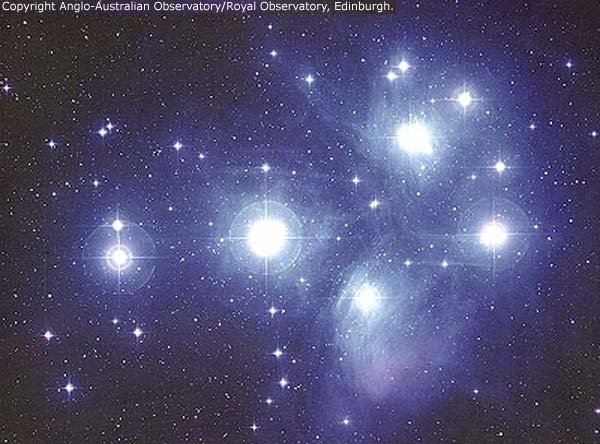
it is in a nebula where stars are born, as result
of nuclear
fusion process
4.
The amount of mass a star has determines which life
cycle paths the star will take
5.
Many stars in the universe vary in brightness, the
most common are the so called RR Lyrae-stars, that go through a complete
brightness cycle in just one day
6.
50% of all stars of the universe belong to a binary
star system, where two stars orbit each other due to their mutual gravity
7.
multiple star systems made up of more than just two
stars
8.
The amount of matter that is available for star
formation in the nebula determines how large a star becomes
9.
Sirius is brightest star in the night sky -- over
20 times brighter than our Sun and over twice as massive.
10.
Hot outer atmospheres of normal stars such as our
sun produce X-rays. X-ray observations useful for understanding how flaring
activity of stars changes as stars evolve.